
Founded in

Welcome to the Pathfinder Foundation
The Pathfinder Foundation is an independent, non–partisan think tank based in Sri Lanka with a strong network of global partners

Partnerships with 30 global institutions
Two Centres focusing on bilateral relations with China and India
×
Pathfinder Events
The Pathfinder Foundation hosts a number of regular webinars, seminars, conferences and other events
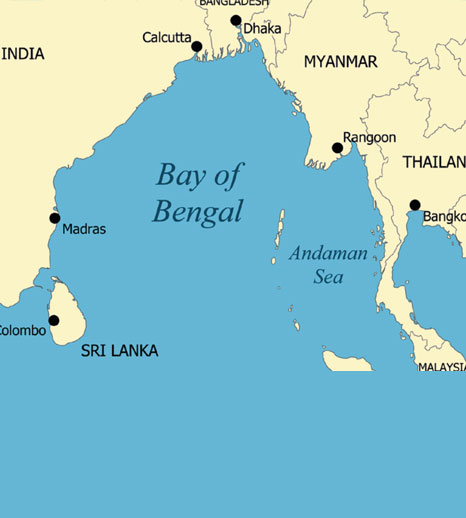
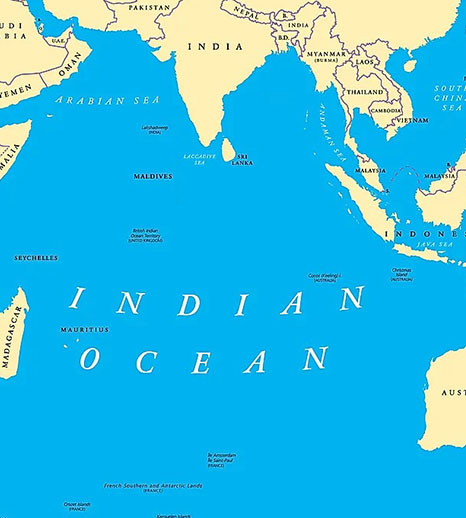
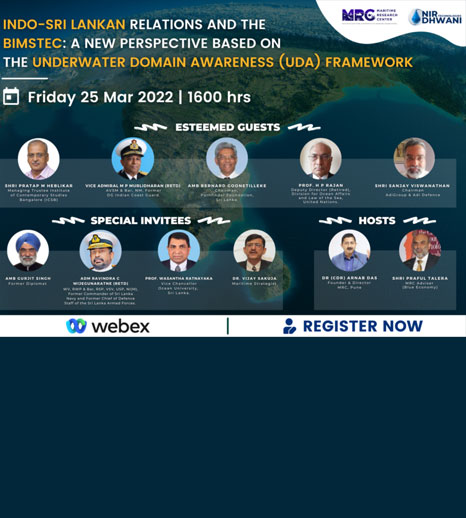
For more information on the Pathfinder Indian Ocean Security Conference visit www.pathfinderfoundation.lk
Pathfinder Partners
The Pathfinder Foundation partners across the globe

Photo Gallery
Pictures of the Pathfinder Foundation events, milestones, engagements and more
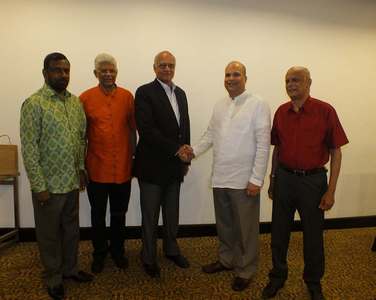
Amb Shivshanker Menon with Pathfinder Foundation team during the International Advisory Group (IAG) Meeting in 2019
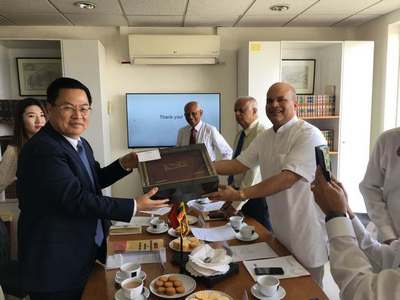
Chinese Ambassador to Sri Lanka HE. Cheng Xueyuan and officials of the Chinese Embassy visited the Pathfinder Foundation and China-Sri Lanka Cooperation Studies Centre in 2018
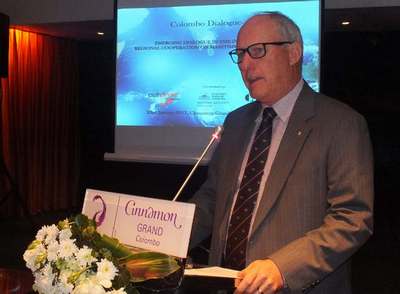
Colombo Dialogue: Commodore Richard Menhenick AM, CSC, Former Royal Australian Navy, addressing the roundtable discussion on “Emerging Dialogue in the Indian Ocean: Regional Cooperation on Maritime Domain Awareness”
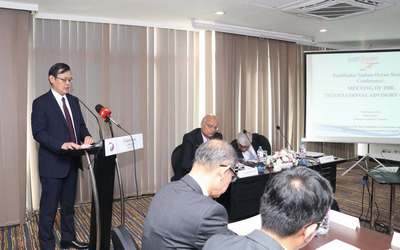
Ambassador Akira Sugiyama of Japan delivering the opening remarks at the International Advisory Group (IAG) Meeting held in Colombo in 2019
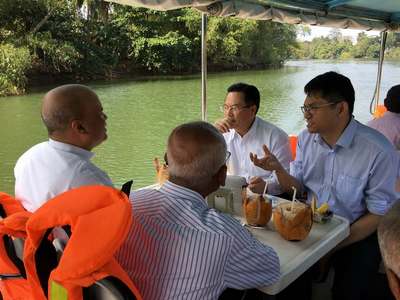
Chinese Ambassador to Sri Lanka HE. Cheng Xueyuan and officials of the Chinese Embassy visited the Pathfinder Foundation and China-Sri Lanka Cooperation Studies Centre in 2018
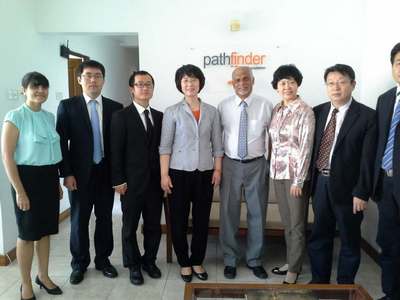
Delegation headed by Ms. Li Rong – Deputy Director at Foreign Affairs Office of Shandong Provincial People’s Government visited Pathfinder Foundation in 2014
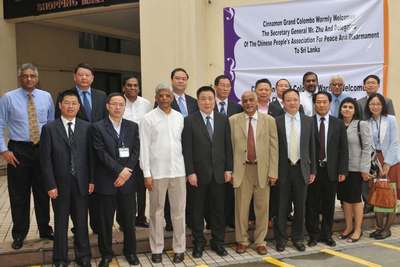
Chinese People’s Association for Peace and Disarmament (CPAPD) visited with a delegation comprising tour operators, travel writers and investors in the hospitality sector to explore business opportunities in Sri Lanka
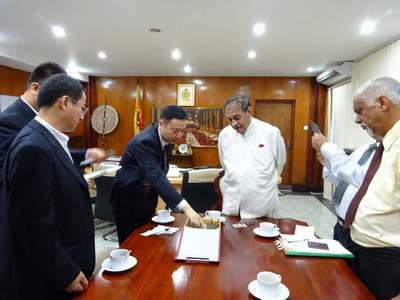
A four-member delegation from the Municipality of Xi’an City visited Sri Lanka at the invitation of the Pathfinder Foundation.
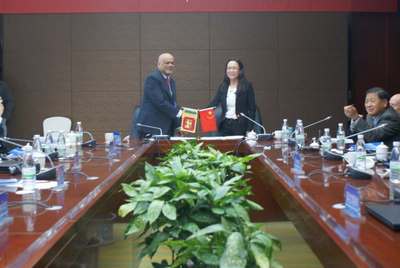
At the invitation of the Research Institute for Indian Ocean Economies (RIIO) of Yunnan University of Finance and Economic (YUFE) the Executive Director, Mr. Luxman Siriwardena of Pathfinder Foundation participated in the Sixth RIIO International Conference on Common Development between China and Indian Ocean Economies.
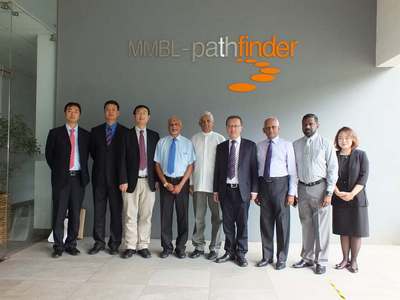
A delegation led by Prof Yan Shijin, Vice President of Sichuan University visited The Pathfinder Foundation in in 2017
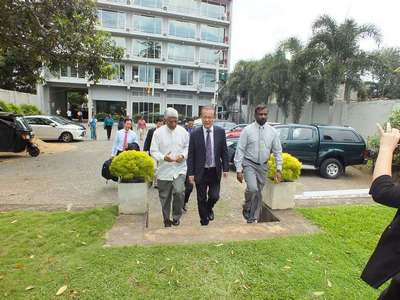
A delegation led by Prof Yan Shijin, Vice President of Sichuan University visited The Pathfinder Foundation in in 2017
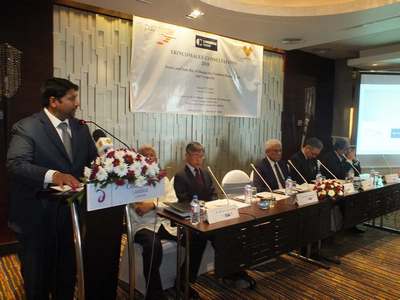
Trincomalee Consultations 2018. Keynote Address by the Chief Guest, State Minister of Defence, Hon. Ruwan Wijewardene
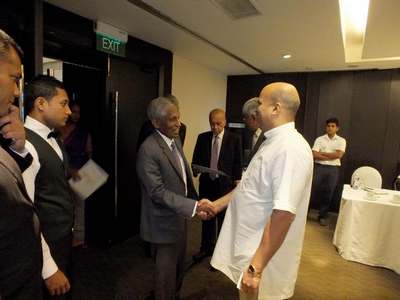
Governor of the Eastern Province Hon. Austin Fernando being welcomed by Founder Milinda Moragoda for the Trincomalee Consultations in 2017
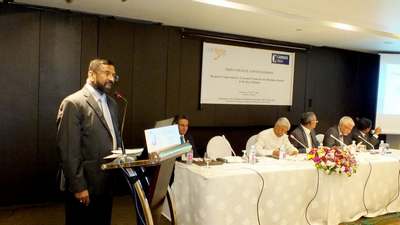
Adm. Prof. Jayanath Colomboage addressing the Trincomalee Consultations in 2017
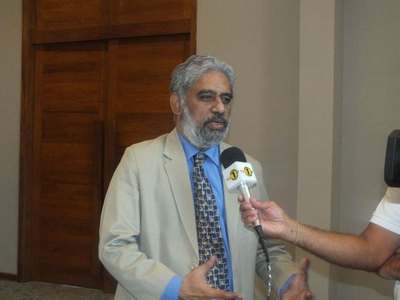
Dr. Raja Mohan being interviewed at a Pathfinder Foundation, Carnegie India and Vivekananda International Foundation Conference aimed at enhancing connectivity between India and Sri Lanka
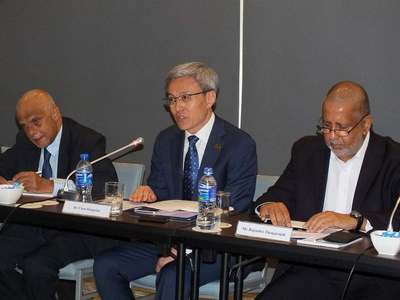
A delegation headed by Dr. Chen Dongxiao, President of Shanghai Institute for International Studies (SIIS) together with Pathfinder Foundation conducted a roundtable discussion focused on exploring new areas to facilitate Sri Lanka’s cooperation with China and managing international and regional forces to promote the country’s economic interest.
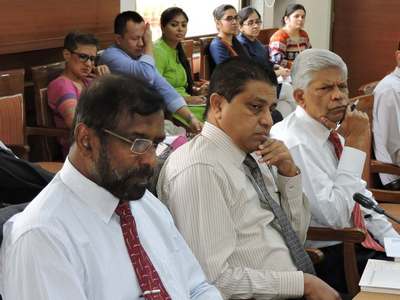
Pathfinder Foundation participated in a roundtable discussion on “Blue Economy” in New Delhi. Mr. Bernard Goonetilleke, Admiral (Prof) Jayanath Colombage and Mr. Tilak Siri Dharmaratne represented the Foundation.
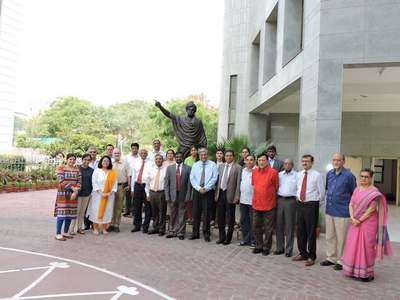
Pathfinder Foundation participated in a roundtable discussion on “Blue Economy” in New Delhi in 2017
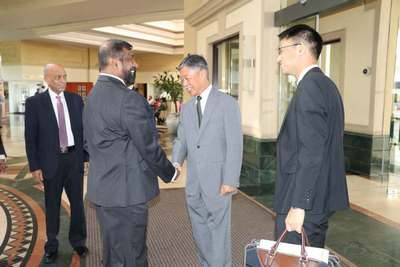
H.E Kenichi Suganum, Ambassador of Japan to Sri Lanka being welcomed by the Director-Centre for Indo-Lanka Initiatives Adm. (Prof) Jayanath Colombage to the Trincomalee Consultations 2017
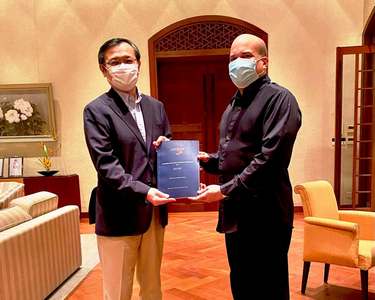
Pathfinder Foundation Founder Milinda Moragoda presented the final report of the Pathfinder Indian Ocean Security Conference 2020 to HE Akira Sugiyama
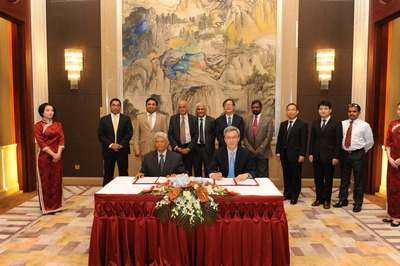
Pathfinder Foundation (PF) led a delegation to Maritime Silk Road Conference organized by the Shanghai Institutes for International Studies (SIIS) in 2015 where PF & SIIS signed a MOU
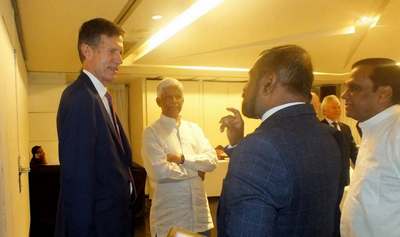
Amb Robert Blake with the Pathfinder team during the “Belt and Road Initiative and Indo-Pacific Strategy: Opportunities and Challenges” roundtable discussion held in Colombo in 2020
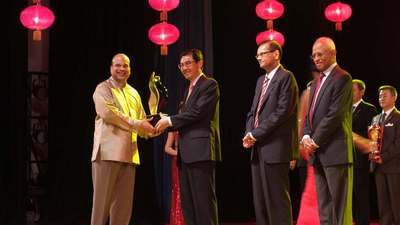
The Embassy of the People’s Republic of China in Sri Lanka recognised the Pathfinder Foundation as one of its top 10 partners at a ceremony to mark Chinese New Year in 2014. Chinese Ambassador Wu Jianghao presents the Top Ten Partner award to Milinda Moragoda, Founder, Pathfinder Foundation.
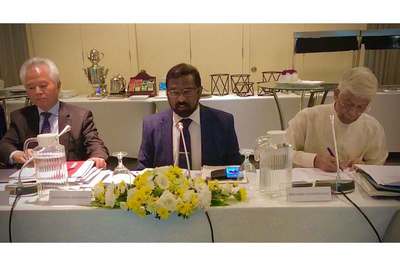
National Institute for South China Sea Studies (NISCSS) & Pathfinder Foundation (PF) conducted a roundtable discussion on “Belt and Road Initiative and Indo-Pacific Strategy: Opportunities and Challenges” in 2020 Colombo, Sri Lanka
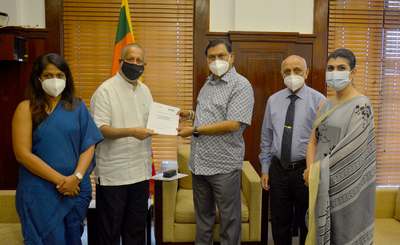
The Pathfinder Foundation in collaboration with VISA handed over a Report “Connecting Micro & SME Sectors to contribute towards Economic Prosperity: In a Digital Savvy, Post Covid 19 Sri Lanka” to Finance Minister Basil Rajapaksa
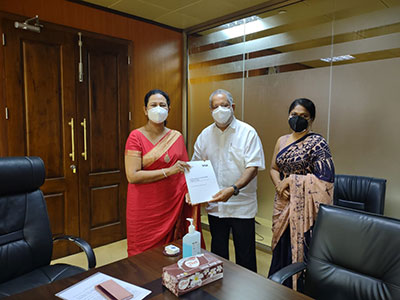
Pathfinder Foundation together with its strategic partner VISA International presented a White Paper on “Digitalisation of National Transit System”.
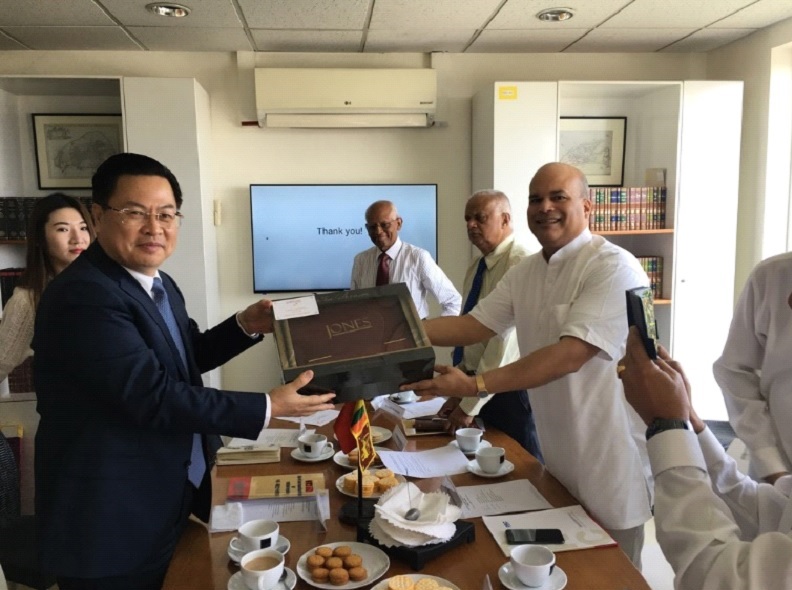
Chinese Ambassador to Sri Lanka HE. Cheng Xueyuan and officials of the Chinese Embassy visited the Pathfinder Foundation and China-Sri Lanka Cooperation Studies Centre in 2018
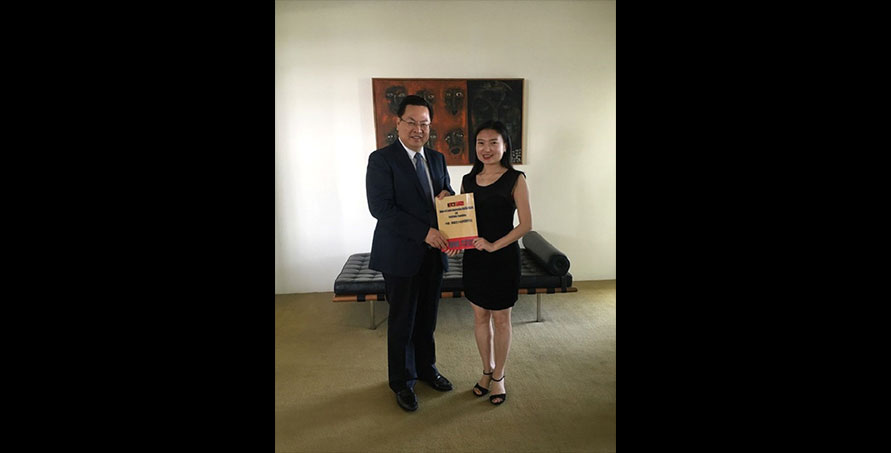
Dr. Zhao Ying, Associate Director of the China-Sri Lanka Cooperation Studies Centre of the Pathfinder Foundation Presents a copy of the Activity Report of 2018 to HE. Cheng Xueyuan Chinese Ambassador to Sri Lanka
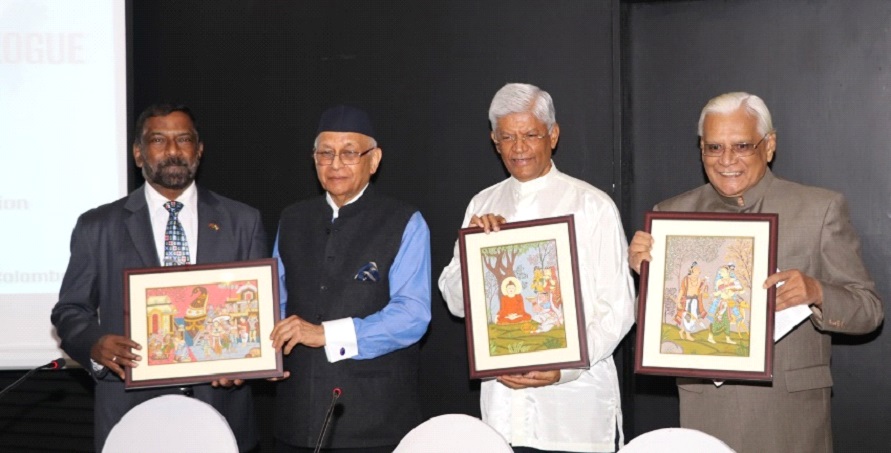
Director-Centre for Indo- Lanka Initiative Admiral (Prof) Jayanath Colombage, former Foreign Secretary of India and Chairman-KIF, Ambassador Lalit Mansingh Chairman-Pathfinder Foundation Mr. Bernard Goonetilleke & Prof. Emeritus, University of Colombo Deshamanya J.B. Disanayaka at the “India-Sri Lanka Dialogue” held by the Pathfinder Foundation & Kalinga International Foundation in 2018.
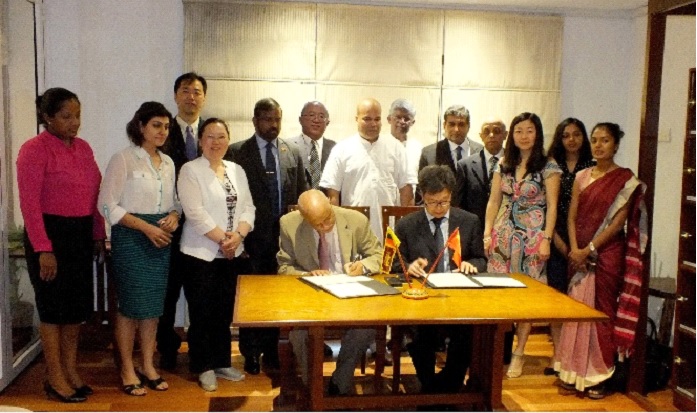
Sichuan University Chengdu, China visits the Pathfinder Foundation and entered into a MOU for future collaboration
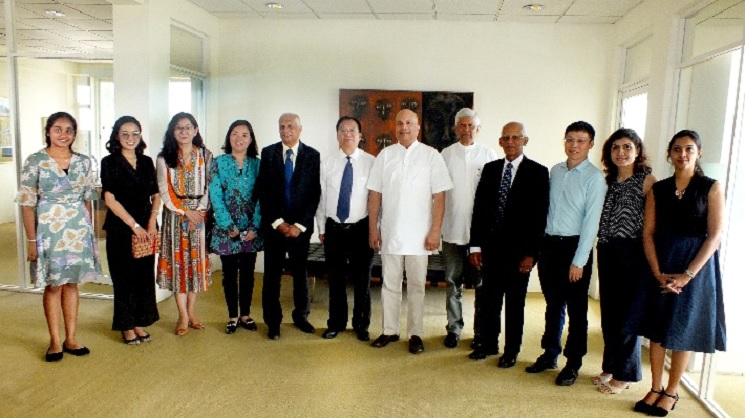
A delegation from China’s prestigious think tank ‘Yunnan Academy of Social Sciences (YASS) and its affiliate ‘Academy of South and Southeast Asia Studies’ visited Pathfinder Foundation
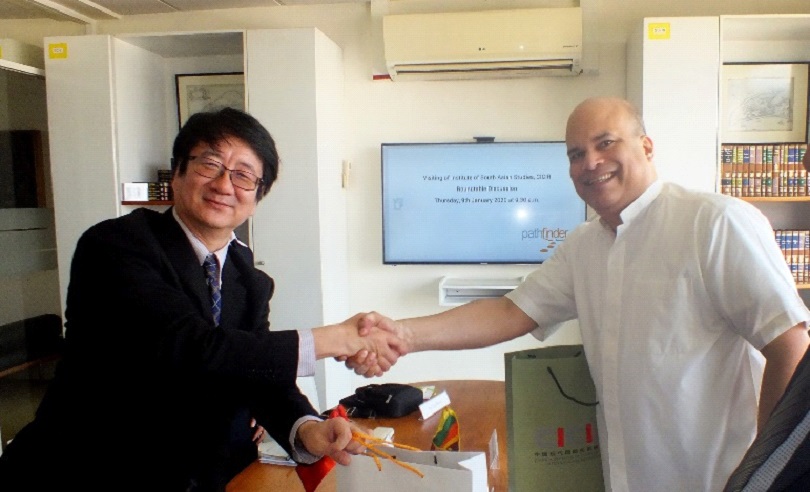
Professor Zhang Li, Assistant President of China Institutes of Contemporary International Relations (CICIR) and Mr. Milinda Moragoda, Founder, Pathfinder Foundation meeting at the China – Sri Lanka Cooperation Studies Centre of the Foundation in 2020
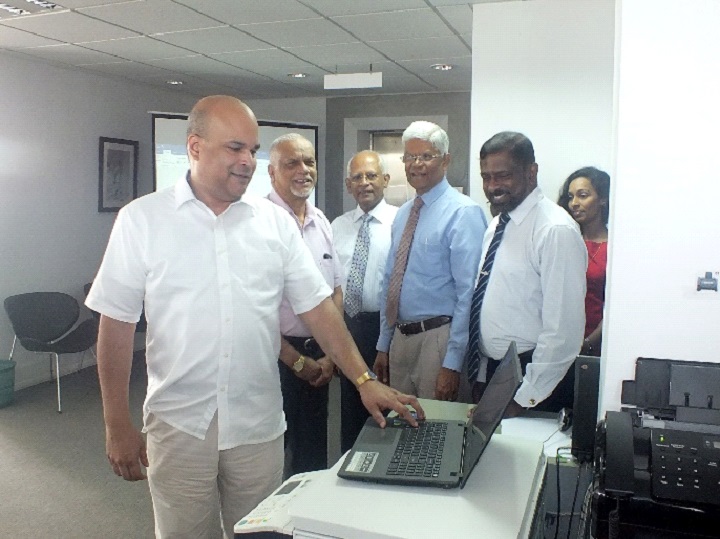
Opening of the Centre for Law of the Sea in 2018
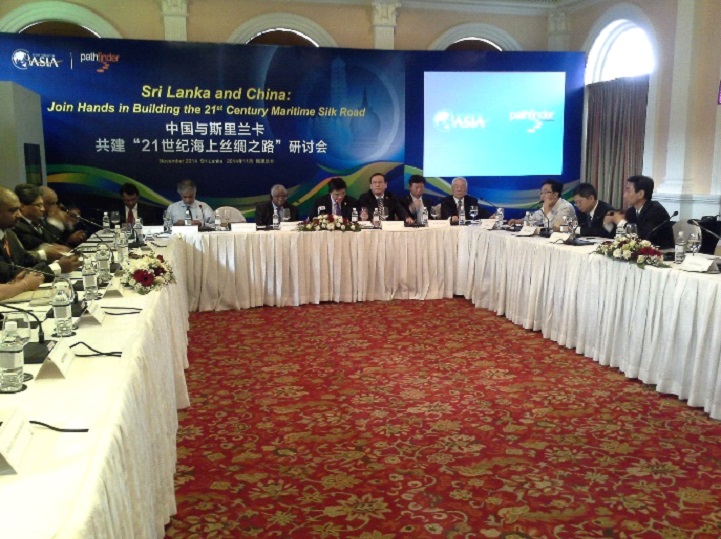
The Pathfinder Foundation (PF), with the Boao Forum for Asia (BFA), organized a high level Panel Discussion and Roundtable on 2014 November, involving political leaders, senior officials, businessmen, academics and the media from Sri Lanka and China.
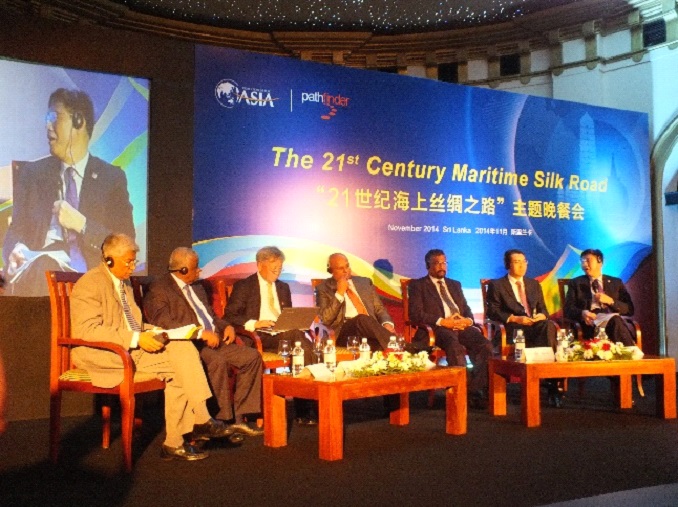
The Pathfinder Foundation (PF), with the Boao Forum for Asia (BFA), organized a high level Panel Discussion and Roundtable on 2014 November, involving political leaders, senior officials, businessmen, academics and the media from Sri Lanka and China
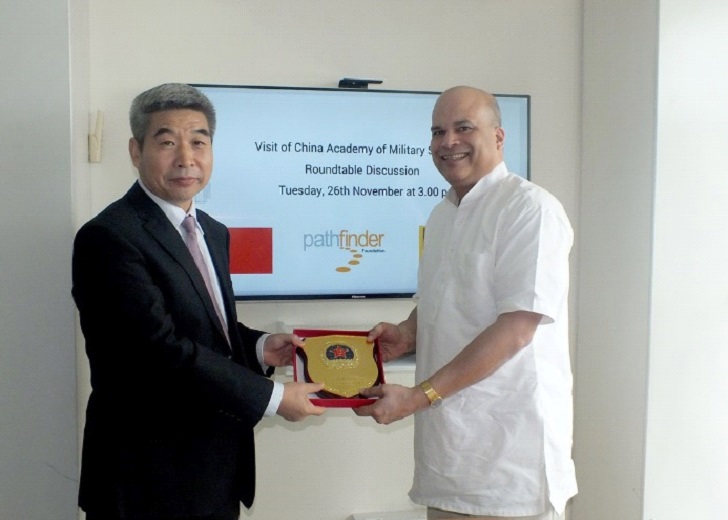
Founder Milinda Moragoda with visiting delegation leader LIU, Renxian Major General, Political Commissar, Institute of Military Legal System Studies of China Academy of Military Science
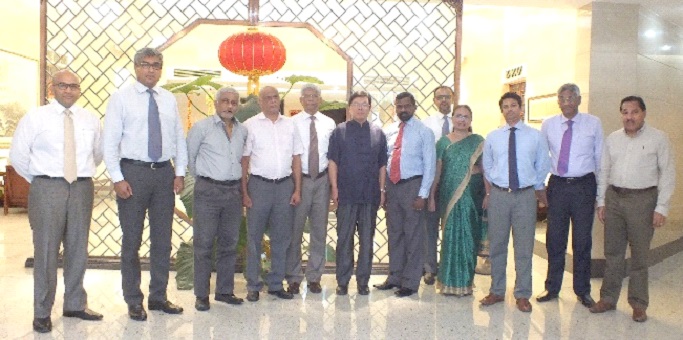
Pathfinder Foundation led delegation to Maritime Silk Road Conference hosted by the Shanghai Institutes for International Studies (SIIS) in 2015
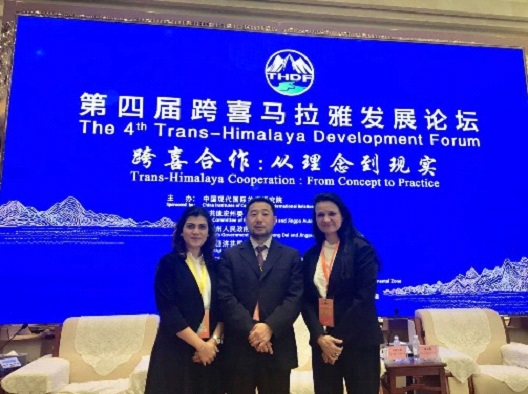
Ms. Ameera Arooz, Programme Manager, represented Pathfinder Foundation at the Fourth Trans Himalayan Forum (THF) held in Dehong, Yunnan Province, China, September 2018
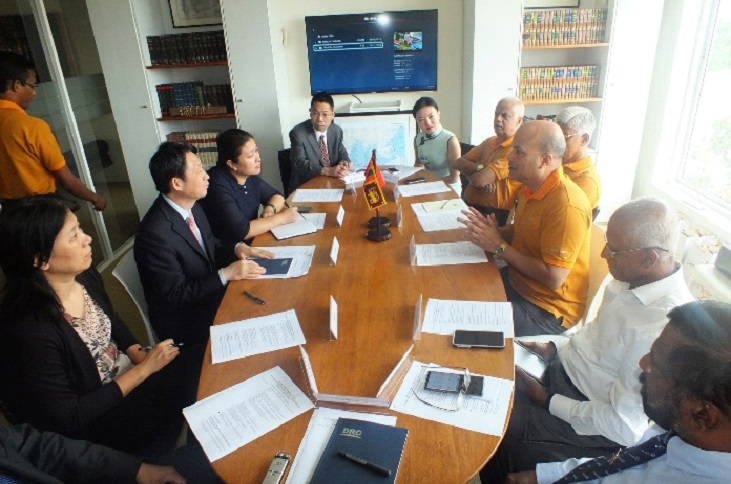
Delegation from the Development Research Centre (DRC) of the State Council of China and Officials of the Chinese Embassy visited the Pathfinder to discuss possibilities of enhancing
cooperation between China & Sri Lanka
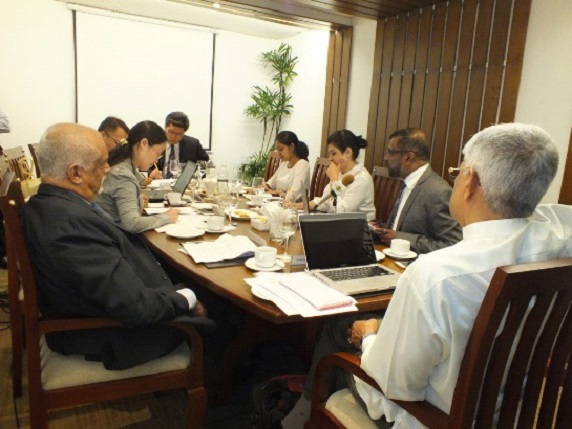
‘China-Sri Lanka Cooperation Studies Centre’ of the Pathfinder Foundation (PF) signed an MOU with the Chinese Communist Party-affiliated China Center for Contemporary World Studies (CCCWS)


